
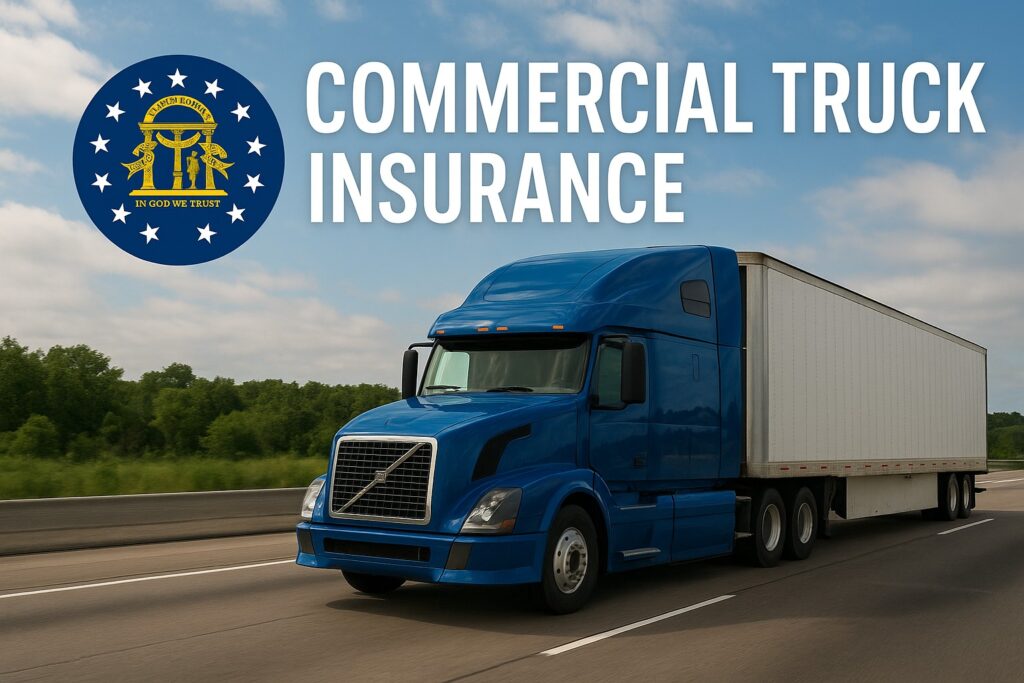
Comprehensive Georgia Truck Insurance: Protecting Freight Haulers Across Every Industry
Securing Georgia Truck Insurance in the bustling world of freight hauling, ensuring the safety and security of your trucks and cargo is paramount. Whether you’re transporting goods across state lines or managing local deliveries within Georgia, having comprehensive truck insurance tailored to the unique challenges of the industry is essential. Georgia truck insurance offers robust protection that covers everything from liability and cargo damage to unexpected accidents and road hazards. In this post, we will explore the key aspects of comprehensive Georgia truck insurance, helping freight haulers across every industry understand how to safeguard their vehicles, drivers, and business investments effectively.
1. Introduction to Georgia Truck Insurance
Navigating the roads of Georgia as a freight hauler comes with its unique set of challenges and risks. Whether you’re managing a small fleet or operating a single rig, having comprehensive truck insurance is essential to safeguard your business, your drivers, and your cargo. Georgia truck insurance is specifically designed to address the complexities of commercial trucking within the state’s regulatory environment. From coverage for liability and physical damage to protection against cargo loss and environmental hazards, this insurance ensures that freight haulers across every industry can operate with confidence. In this section, we’ll explore the basics of Georgia truck insurance, why it’s crucial for your trucking business, and how it offers peace of mind on every mile traveled.
2. Why Georgia Truck Insurance is Crucial for Freight Haulers
For freight haulers operating in Georgia, truck insurance isn’t just a legal requirement—it’s a vital safeguard that protects both your business and your livelihood. The nature of freight hauling involves constant exposure to risks such as accidents, cargo damage, theft, and unexpected liabilities. Without adequate insurance coverage, a single incident could result in substantial financial losses, legal battles, or even the shutdown of your operations.
Georgia Truck Insurance provides comprehensive protection by covering damages to your vehicle, liability for bodily injury or property damage to others, and often includes cargo insurance to protect the goods you’re transporting. This coverage not only offers peace of mind but also ensures compliance with state and federal regulations, which is critical when transporting goods across city, state, or national lines.
Moreover, having robust truck insurance helps maintain your reputation with clients and partners, demonstrating that your business is responsible and prepared for any eventuality. Ultimately, investing in the right insurance policy is essential for freight haulers to mitigate risks, safeguard assets, and keep their operations running smoothly in Georgia’s competitive transportation industry.
3. Types of Georgia Truck Insurance Coverage Available
When it comes to protecting your trucking business in Georgia, understanding the various types of Georgia truck insurance coverage available is essential. Each type of coverage serves a unique purpose, ensuring that freight haulers across all industries can operate with peace of mind. Here’s a breakdown of the most common types of truck insurance coverage you can consider:
**1. Liability Insurance:** This is the most basic and legally required coverage for all Georgia truck insurance. It covers bodily injury and property damage caused to others in an accident where you are at fault. Liability insurance protects you from costly lawsuits and claims, making it a fundamental part of your insurance portfolio.
**2. Physical Damage Coverage:** This includes comprehensive and collision insurance. Comprehensive coverage protects your truck against non-collision-related damages such as theft, vandalism, fire, or natural disasters, while collision coverage pays for damages resulting from accidents with other vehicles or objects. These coverages help keep your truck in prime condition without out-of-pocket expenses.
**3. Cargo Insurance:** Since the primary purpose of your truck is to haul freight, cargo insurance is crucial. It covers the loss or damage of the goods you are transporting due to accidents, theft, or other covered perils. This insurance ensures that your clients’ cargo is protected, boosting your business’s credibility and reliability.
**4. Bobtail Insurance:** Also known as non-trucking liability insurance, bobtail coverage protects owner-operators when driving their truck without a trailer or when they are not under dispatch. It’s essential for those who use their truck for both personal and commercial purposes.
**5. Motor Truck Cargo Insurance:** This specific cargo insurance covers the carrier’s liability for loss or damage to freight while in transit. It is particularly important for freight haulers who transport goods for various clients and industries.
**6. General Liability Insurance:** Beyond the truck itself, general liability insurance covers claims related to property damage, bodily injury, and personal injury that might occur on your business premises or due to your business operations.
**7. Occupational Accident Insurance:** For independent owner-operators, this type of insurance provides coverage for medical expenses, disability, and death benefits resulting from work-related accidents.
Navigating the insurance landscape can be complex, but selecting the right combination of coverages tailored to your specific trucking operations in Georgia ensures comprehensive protection. Consulting with an experienced insurance agent familiar with Georgia’s regulations and the trucking industry can help you build a robust insurance plan that safeguards your business and assets on every haul.
4. Understanding Liability Coverage for Truckers
Liability coverage is a fundamental component of any comprehensive truck insurance policy, especially for freight haulers operating across Georgia’s diverse industries. This type of insurance protects truckers from financial losses resulting from injuries or damages they may cause to other people, vehicles, or property while on the road. Given the size and weight of commercial trucks, accidents can lead to significant claims, making liability coverage essential for safeguarding your business.
In Georgia, liability insurance typically covers bodily injury and property damage caused by the trucker’s negligence. This means if you are found at fault in an accident, your liability coverage will help pay for medical expenses, repair costs, and legal fees, up to the policy limits. Without adequate liability protection, truckers risk facing costly lawsuits that could jeopardize their operations and financial stability.
It’s important for freight haulers to assess the specific liability requirements based on the type of cargo transported, the regions served, and the size of their fleet. Many industries—such as construction, agriculture, and retail logistics—have unique risks that may require tailored liability limits or additional endorsements. Working with an experienced Georgia truck insurance provider can help ensure your liability coverage aligns with both state regulations and your business’s risk profile, offering peace of mind as you keep Georgia’s economy moving safely and efficiently.
5. Coverage for Cargo and Freight Protection
When it comes to trucking, safeguarding the cargo you transport is just as crucial as protecting your vehicle itself. Comprehensive Georgia truck insurance often includes specialized coverage options designed to protect the freight from loss or damage during transit. This cargo and freight protection coverage ensures that whether you’re hauling electronics, perishables, construction materials, or any other valuable goods, your investment remains secure against unforeseen events.
Cargo insurance typically covers risks such as theft, accidents, fire, and even weather-related damages that can compromise the integrity of your freight. For freight haulers operating across various industries—each with unique shipment needs—this coverage provides peace of mind knowing that liabilities related to cargo loss are minimized. Moreover, certain policies allow you to customize coverage limits based on the type and value of goods transported, making it easier to tailor protection to your specific business requirements.
By including cargo and freight protection in your Georgia truck insurance plan, you not only shield your business from costly claims but also build trust with clients who rely on timely and safe delivery of their products. Ultimately, this coverage is an essential component in maintaining a resilient and reliable trucking operation in today’s competitive market.
6. Physical Damage Insurance: Safeguarding Your Vehicle
Physical Damage Insurance is a crucial component of comprehensive truck insurance, especially for freight haulers operating across Georgia’s diverse industries. This coverage protects your vehicle against a wide range of potential damages that can occur on the road or even when your truck is parked. Whether it’s collision damage from an accident, theft, vandalism, fire, or natural disasters like hailstorms and floods, Physical Damage Insurance ensures that you can repair or replace your truck without facing overwhelming out-of-pocket expenses.
For freight haulers, your truck is not just a vehicle—it’s the backbone of your business. Downtime caused by vehicle damage can lead to missed deliveries, lost contracts, and a significant hit to your bottom line. With Physical Damage Insurance in place, you receive peace of mind knowing that unexpected events won’t derail your operations. Additionally, this coverage often works hand-in-hand with other types of insurance, like liability and cargo insurance, to provide comprehensive protection tailored to the unique risks faced by truckers in Georgia.
Investing in Physical Damage Insurance means protecting both your investment and your livelihood. It’s a smart, proactive step to ensure your freight hauling business stays on the road and continues to serve clients across every industry, no matter what challenges arise.
7. The Role of Bobtail and Non-Trucking Liability Insurance
When it comes to protecting your trucking business in Georgia, understanding the nuances of different insurance types is crucial. Two often-overlooked coverages that play a vital role for freight haulers are Bobtail and Non-Trucking Liability insurance.
Bobtail insurance provides coverage when a truck is being operated without a trailer attached, typically when the driver is traveling to pick up a load or returning to the terminal after a delivery. This type of insurance protects against liability arising from accidents during these “off-duty” periods when the truck isn’t hauling freight but is still on the road.
Non-Trucking Liability insurance, on the other hand, covers liability when the truck is used for personal or non-business purposes. For example, if a driver uses the truck for errands or other activities unrelated to hauling freight, this insurance steps in to cover damages or injuries resulting from an accident during such use.
Both Bobtail and Non-Trucking Liability policies help fill important gaps that standard commercial truck insurance may not cover. By securing these coverages, freight haulers in Georgia can ensure they’re protected from unexpected liabilities no matter when or how their vehicles are on the road. This comprehensive approach to insurance not only safeguards your assets but also provides peace of mind, allowing you to focus on growing your trucking business across every industry.
8. Specialized Insurance Needs for Different Industries
When it comes to truck insurance, a one-size-fits-all approach simply doesn’t work—especially in a diverse state like Georgia, where freight haulers operate across a wide range of industries. Each industry comes with its own unique risks, regulations, and coverage requirements that must be addressed to ensure comprehensive protection.
For example, trucking companies transporting hazardous materials such as chemicals or fuels require specialized endorsements and higher liability limits due to the increased risk of accidents and environmental damage. Meanwhile, refrigerated freight haulers need coverage that accounts for temperature-sensitive cargo, including potential spoilage or product loss. Similarly, businesses involved in heavy equipment transport or oversized loads face additional liability concerns and often require tailored policies that accommodate route restrictions and specialized permits.
Agricultural freight haulers, another significant sector in Georgia, must consider coverage for seasonal fluctuations and potential delays caused by weather or road conditions. Additionally, companies focused on local deliveries might prioritize policies that offer strong protection against theft or vandalism, given the higher frequency of stops and urban exposure.
Understanding these specialized insurance needs helps freight haulers select the right policy features—such as cargo insurance, physical damage coverage, and general liability protection—that best fit their operational risks. Partnering with an insurer familiar with Georgia’s regulatory environment and industry nuances ensures that your trucking business remains compliant and fully safeguarded, no matter what you’re hauling.
By tailoring your truck insurance to the specific demands of your industry, you not only protect your assets and livelihood but also build trust with clients who rely on your professionalism and reliability.
9. How to Choose the Right Insurance Provider for Georgia Truck Insurance
Choosing the right insurance provider in Georgia is a crucial step for freight haulers looking to protect their business, vehicles, and cargo effectively. With so many options available, it can be overwhelming to decide which insurer best fits your unique needs. Start by researching providers that specialize in commercial truck insurance and have a strong presence in Georgia. Look for companies with a proven track record of reliability, responsive customer service, and tailored coverage options designed specifically for the freight and trucking industry.
It’s also important to evaluate the range of coverage plans offered, including liability, cargo, physical damage, and motor truck cargo insurance, to ensure comprehensive protection. Compare quotes from multiple insurers to find competitive pricing without sacrificing essential coverage. Don’t hesitate to ask about discounts for safe driving records, multiple trucks, or bundling policies, as these can significantly reduce premiums.
Another key factor is the provider’s claims process—choose a company known for efficient, hassle-free claims handling so that you can get back on the road quickly after an incident. Finally, check for positive customer reviews and testimonials from other Georgia-based freight haulers to gain insight into the insurer’s reputation and service quality. By carefully considering these factors, you can confidently select an insurance provider that offers the protection and peace of mind your trucking business deserves.
10. Factors Affecting Georgia Truck Insurance Premiums
When it comes to securing comprehensive Georgia Truck Insurance, understanding the factors that influence your insurance premiums is crucial. Insurance providers consider a variety of elements to assess the risk associated with insuring your freight hauling business. One of the primary factors is the type and weight of the truck you operate; heavier and specialized vehicles often come with higher premiums due to increased potential damage risk. Additionally, the nature of the cargo you transport plays a significant role—hauling hazardous materials or high-value goods typically leads to higher rates. Your driving history and experience as a freight hauler are also heavily weighted; a clean driving record can help lower costs, while past accidents or violations may raise premiums. Geographic factors matter as well; routes that frequently pass through high-traffic or high-accident areas in Georgia can affect your rates. Moreover, the level of coverage you choose, including liability limits and additional protections such as cargo insurance or roadside assistance, will impact your premium amount. Lastly, your claims history and how long you have been insured with a particular company can influence pricing. By being aware of these factors, freight haulers across Georgia can make informed decisions to optimize their insurance coverage while managing costs effectively.
11. Tips to Lower Georgia Truck Insurance Costs
Lowering your truck insurance costs doesn’t have to mean sacrificing essential coverage. By implementing a few strategic steps, freight haulers across Georgia can secure comprehensive protection while keeping premiums manageable. First, maintaining a clean driving record is crucial; insurers reward drivers with minimal violations and accidents by offering better rates. Additionally, investing in safety training programs for yourself and your drivers can demonstrate your commitment to risk reduction, often resulting in discounts. Another effective tip is to regularly shop around and compare quotes from multiple insurance providers—rates can vary significantly, and switching companies may lead to substantial savings. Bundling your truck insurance with other policies, such as commercial auto or general liability insurance, can also provide cost benefits. Finally, consider increasing your deductibles if you can afford higher out-of-pocket expenses in the event of a claim; this adjustment typically lowers your monthly premiums. By applying these tips, Georgia freight haulers can protect their vehicles and cargo without breaking the bank.
12. Claims Process: What to Expect and How to Prepare
Navigating the claims process can feel overwhelming, especially when you’re focused on getting your freight moving and your business back on track. Understanding what to expect and how to prepare can make all the difference in ensuring a smooth and timely resolution. When an incident occurs—whether it’s an accident, cargo damage, or theft—your first step should be to document everything thoroughly. Take clear photos of the damage, gather witness statements if applicable, and report the incident to your insurance provider as soon as possible. Having all necessary paperwork organized, including your insurance policy details, vehicle registration, and any relevant permits, will expedite the process.
Your insurance company will typically assign a claims adjuster to investigate and assess the situation. Staying in close communication with your adjuster and promptly providing any additional information they request can help avoid unnecessary delays. Be honest and detailed in your descriptions, as this will facilitate an accurate evaluation of your claim. Remember, each claim is unique, but knowing the general steps—from initial reporting to final settlement—can give you confidence and peace of mind. Preparing ahead with a clear understanding and keeping meticulous records will protect your business and keep your operations running smoothly.
13. Legal Requirements for Georgia Truck Insurance
Understanding the legal requirements for truck insurance in Georgia is crucial for freight haulers operating within the state. Georgia law mandates that all commercial trucks carry a minimum level of liability insurance to ensure that drivers, cargo, and other road users are protected in the event of an accident. The specific coverage limits vary depending on the type and weight of the vehicle, as well as the nature of the cargo being transported. Generally, freight haulers must carry liability insurance that covers bodily injury and property damage, with minimum limits determined by federal and state regulations.
In addition to liability coverage, certain trucking operations may be required to carry additional types of insurance such as cargo insurance, physical damage coverage, and motor truck cargo insurance to protect against loss or damage to the freight itself. Georgia’s Department of Public Safety enforces these insurance requirements rigorously, and failure to comply can lead to hefty fines, suspension of operating authority, or even the revocation of commercial vehicle registrations.
For trucking businesses, staying informed about these legal requirements not only ensures compliance but also fosters trust with clients who rely on safe and secure freight transportation. Consulting with insurance professionals specializing in commercial trucking can help freight haulers tailor their insurance policies to meet both legal mandates and the unique risks associated with their operations. Ultimately, adhering to Georgia’s truck insurance laws safeguards your business, your drivers, and the freight you transport across every industry.
14. Case Studies: Successful Claims and Coverage Stories
In the trucking industry, having comprehensive insurance coverage is not just a regulatory requirement—it’s a vital safeguard that can make all the difference when unexpected events occur. To illustrate the real-world value of robust Georgia truck insurance, let’s explore a few case studies highlighting successful claims and the peace of mind they brought to freight haulers across various industries.
**Case Study 1: Timely Recovery After a Collision**
A regional freight hauler transporting perishable goods experienced a multi-vehicle accident on a busy interstate. Thanks to their comprehensive Georgia truck insurance policy, including collision and cargo coverage, the company was able to swiftly file a claim. The insurance provider covered vehicle repairs, cargo loss, and downtime costs, enabling the hauler to get back on the road without crippling financial strain.
**Case Study 2: Protection Against Cargo Theft in Construction Logistics**
A trucking company specializing in transporting construction materials faced a cargo theft incident at a warehouse in Atlanta. Their Georgia truck insurance policy included cargo theft protection, which reimbursed the full value of the stolen materials. This coverage not only minimized the immediate financial loss but also helped maintain client trust and business continuity.
**Case Study 3: Liability Coverage for Environmental Damage**
An oil and gas freight carrier was involved in an accident that resulted in a minor fuel spill. Comprehensive liability coverage included in their Georgia truck insurance policy covered cleanup costs and third-party claims, shielding the company from potentially devastating legal and environmental expenses.
These cases underscore the importance of tailored insurance solutions that address the unique risks freight haulers face daily. Whether dealing with accidents, theft, or environmental hazards, comprehensive Georgia truck insurance ensures that businesses can navigate challenges confidently, protect their assets, and keep their operations running smoothly.
15. Conclusion: Ensuring Comprehensive Protection for Freight Haulers
In the demanding world of freight hauling, having comprehensive truck insurance in Georgia is not just a wise choice—it’s an essential safeguard for your business’s longevity and success. From protecting your vehicles against accidents and theft to covering liability claims and cargo damage, the right insurance policy offers peace of mind so you can focus on what matters most: delivering goods efficiently and safely. By tailoring your coverage to the unique risks of your industry and staying compliant with state regulations, you ensure that every mile traveled is backed by solid protection. Remember, comprehensive insurance is more than a legal requirement—it’s a strategic investment that shields your livelihood, supports your growth, and keeps your operations running smoothly no matter what challenges come your way.
In today’s fast-paced and demanding transportation industry, having comprehensive Georgia truck insurance is essential for freight haulers seeking reliable protection and peace of mind. As we’ve explored throughout this article, the right insurance coverage not only safeguards your vehicles and cargo but also shields your business from unforeseen risks and financial setbacks. Whether you’re operating in logistics, construction, agriculture, or any other sector, investing in tailored insurance solutions ensures that your operations remain resilient and compliant. By prioritizing comprehensive coverage, freight haulers across Georgia can confidently navigate the roads ahead, knowing they’re fully protected every mile of the way.
To receive a quote or get more information visit Commercial Auto Insurance Quote – First Option Insurance Services
Business | Office of the Commissioner of Insurance and Safety Fire